
Sheeran and Hoffa
I Heard You Paint HousesA close working alliance becomes a personal bond, then a conflict between affection, obedience, and the killing Sheeran says he carried out.
increasing Bearing strength in each event
 decreasing
Bearing strength in each eventdecreasingThe First Words
Recognition by Hoffa
A coded greeting
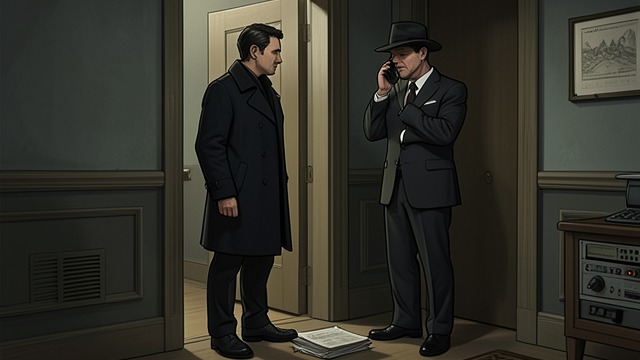
When James R. Hoffa first spoke to Frank Sheeran by phone, he used the phrase “I heard you paint houses.” Sheeran replied with another coded reference, signaling that he understood the language of violence.
The exchange immediately connected union work to Sheeran’s underworld reputation.
A new role
Hoffa hired Sheeran into the International. Their relationship began as a mix of employment, mutual usefulness, and shared familiarity with men who operated outside formal rules.
Shared Work
Confidant and Enforcer
Trust develops
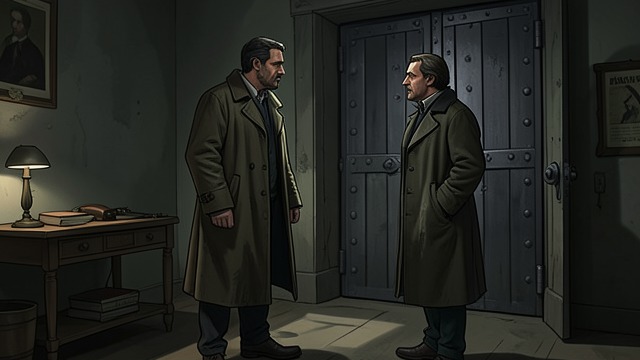
Sheeran traveled for Hoffa, handled union assignments, and joined him in Chicago and other cities. Hoffa asked about Sheeran’s family and treated him as a trusted companion.
Sheeran admired Hoffa’s political skill and ability to win benefits for members.
A complicated loyalty
The relationship also depended on intimidation and criminal force. Sheeran’s usefulness to Hoffa made him both a close ally and an instrument of the union’s coercive power.
Hoffa in Prison
Loyalty Across the Walls
Continued contact
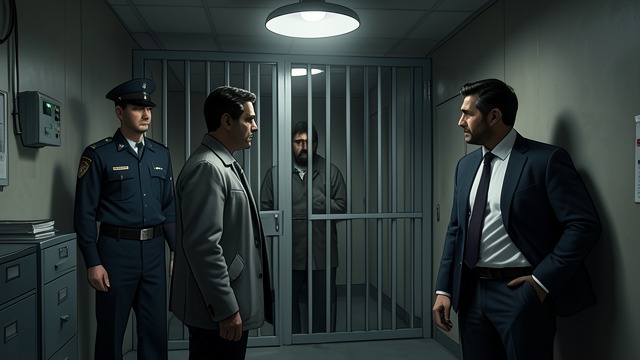
While James R. Hoffa was imprisoned, Frank Sheeran visited him and helped with messages and practical matters. Hoffa used the limited access available through lawyers and family connections to maintain influence.
Sheeran described their visits as sometimes social and sometimes concerned with union business.
A bond under strain
Hoffa’s dependence on allies increased as Fitz assumed effective control. Sheeran remained attached to Hoffa’s cause even as the union’s loyalties shifted around him.
The Last Plea

A Friend’s Warning
A private confrontation
At a meeting before Sheeran’s testimonial dinner, Rosario Bufalino warned Hoffa that influential people opposed his campaign. Sheeran later told Hoffa that the danger was real and urged him to take protection.
Hoffa answered that no one would dare act against him. His pride and belief in his own strength overwhelmed the warning.
A friendship at risk
Sheeran remained emotionally committed to Hoffa, but the conversation placed him between his friend and Bufalino’s authority. The loyal intermediary could no longer keep the two worlds reconciled.
Betrayal and Grief

The Friend Is Lost
The killing
Sheeran’s confession says he shot James R. Hoffa after luring him into a house. He describes feeling little at the time, but later says the act haunted him.
Hoffa’s daughter and Sheeran’s own daughter rejected or questioned his conduct, deepening the personal cost.
A late admission
Near death, Sheeran publicly stood behind the account. His confession did not restore the relationship or resolve the case, but it made the betrayal the central fact of his final public identity.
Late 1950s
Late 1950s–1960s
1967–1971
October 1974
July 1975–December 2003
